Floor Models, Demo Units, and the 'Certified' Label: Inside the Open-Box Machine
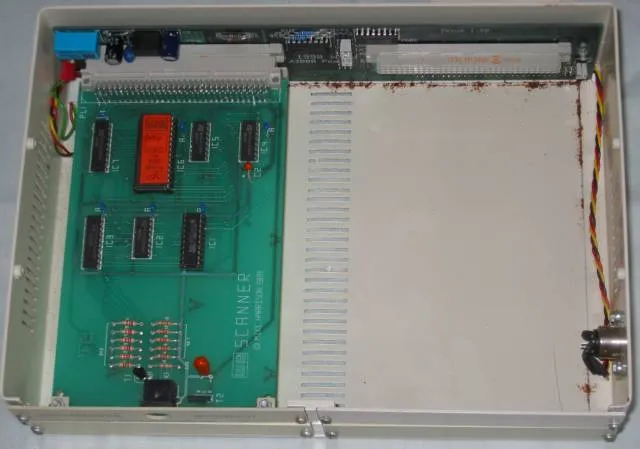
Photo: Chris Whytehead, CC BY-SA 3.0, via Wikimedia Commons
There's a moment in every big-box electronics aisle: you spot the open-box price tag — 30% off a TV you were already considering — and a little voice asks, what's wrong with it? The tag says 'inspected and certified.' But by whom, against what standard, and with what tools?
After digging into how retailers actually handle open-box and floor-model merchandise, here's my honest take: the open-box gamble is sometimes the best deal in retail, and sometimes it's a discount on someone else's problem.
The Life of a Demo Unit
Floor models don't live gentle lives. A display TV runs 12+ hours a day, often at maximum brightness and a 'vivid' picture mode designed to pop under store lighting — which accelerates wear on the panel and backlight. It gets poked, tilted, unplugged mid-update by closing staff, and powered through settings menus by a thousand curious hands.
Laptops and tablets on display racks run benchmark loops all day with security tethers yanking on ports. Smart speakers and hubs sit on shelves powered continuously, accumulating firmware updates nobody applied and, occasionally, someone else's account data that never got wiped.
None of this is disclosed. 'Open-box' covers everything from a customer's returned unopened gift to a two-year-old demo unit with 10,000 hours on it.
What 'Inspected and Certified' Actually Means
Here's the uncomfortable truth: there's no industry-wide standard behind that phrase. At most retailers, 'certified' open-box means a technician confirmed the item powers on, includes the listed accessories, and passes a basic functional checklist. It is not a burn-in analysis, a battery health report, or a stress test.
Some retailers do better. Best Buy's open-box items are typically graded (Excellent, Good, Fair) and returnable within their standard window — that returnability matters more than the grade. Warehouse clubs and manufacturer-refurb programs (where the manufacturer does the work, with new parts and a warranty) are a different, often safer tier than generic 'open-box.'
The phrase to be skeptical of is 'tested working.' Working on the day someone plugged it in, maybe.
When the Gamble Pays Off
Reasonable open-box buys
- TVs — with caveats. Ask how long it was a display unit. Check the return window. Panel burn-in on OLED demos is real; LED sets are more forgiving. A short-run open-box at 25% off is a great deal.
- Small kitchen appliances — returned unused or lightly used, with low mechanical complexity. Inspect seals and blades in person.
- Speakers and headphones — wear items like ear tips can be replaced cheaply; drivers rarely fail from display use.
- Furniture and mattresses on display — wear is visible, and there's no hidden electronics to fail.
Never buy open-box
- Anything with a rechargeable battery you can't verify — laptops, phones, tablets, cordless vacuums. Battery health is invisible and batteries are the most common failure point. A 'great deal' on a laptop with a degraded cell is a bad deal.
- Storage drives and SSDs — you can't see wear cycles, and data integrity is everything.
- Smart locks and security cameras — a device that once belonged to someone else's home network, possibly with unknown firmware or paired credentials, is a security question mark.
- Anything sold 'as-is' or final sale — open-box with no return window isn't a discount, it's a donation to the store.
The Rules of the Gamble
If you're going to play, play with leverage:
- Return window or walk away. Only buy open-box items you can return. This single rule eliminates most of the risk.
- Inspect in person. Screens: full-white and full-color test images for dead pixels and burn-in. Ports: bring a cable. Batteries: ask for a health reading.
- Ask what it was. 'Was this a floor display or a customer return?' Stores will usually tell you, and the answer changes the math.
- Negotiate further. Open-box prices have margin baked in and often sit unsold for weeks. The tag is an opening offer.
- Register the warranty. Manufacturer warranties usually transfer regardless of open-box status — know yours.
The Verdict
Open-box pricing exists because open-box risk exists. When the retailer gives you a real return window and the product category has no hidden wear you can't inspect, you're getting a genuine discount on near-new goods. When they don't — when it's 'as-is,' ungraded, and unreturnable — you're not a savvy shopper. You're the exit strategy for someone else's return.
Smart ratings mean weighing what a discount costs, not just what it saves. On that score, some open-box deals are the smartest money in the store. And some are just a scratch and a shrug with your name on it.